
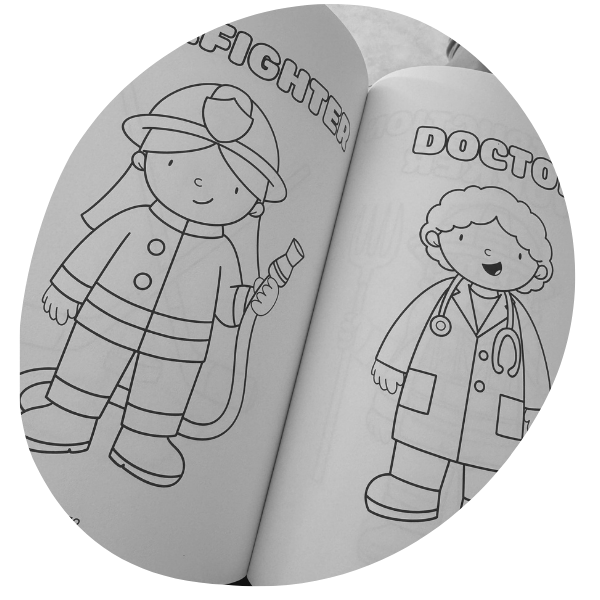
Why Did a Brazilian Author Living in Switzerland Write a Book About American Culture?
When you grow up inside a culture, most of it becomes invisible. For someone who grew up in the United States, these things are simply life — unremarkable, assumed. For someone who arrived from somewhere else and had to learn them as an adult, none of them are invisible. That is precisely what makes an outsider the right person to write this book. Not someone for whom American childhood is wallpaper, but someone who remembers, clearly, what needed explaining.
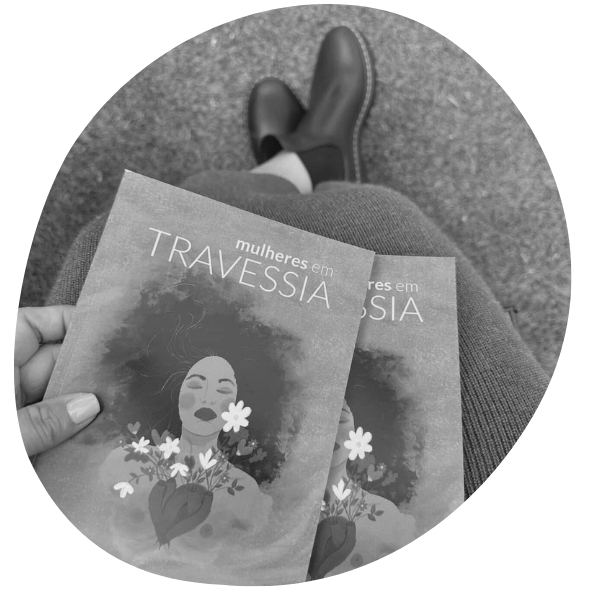
The Woman Who Endorsed My Book Also Selected My Writing. Separately. By Accident.
Luciana Gomide opened a call for stories for a Brazilian coletânea — anonymous submissions, no names, no bios, nothing to identify the author. Just the writing. She picked mine. She had no idea she was reading something of mine. And she selected it anyway.
The Good, the Bad, and the Font.
The print test arrived and it felt surreal and good. But I left something out. The font on the cover had a problem — little white spots inside the letters, the kind of thing you cannot unsee once you have seen it. I saw it immediately. So we changed it. New font. Problem gone. That is the whole story and also the entire point of ordering a print test before you release something to the world.
South Korea, Hello.
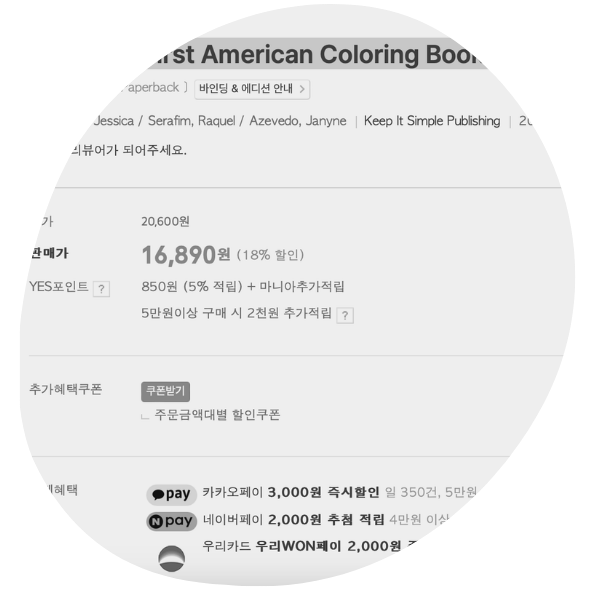
My First American Coloring Book: Everyday Life in the U.S. for Little Hands is now available on Yes24 — South Korea's No.1 internet bookstore with over 20 million users.
An Author Asked Me for Coffee.
Rhoda Bangerter asked me for coffee. Author to author. She reached out and said let's talk. There is something about being seen by a peer — not a reader, not a follower, but another author who read about your work and thought: I want to sit across a table from this person. That lands differently. It feels less like recognition and more like belonging.
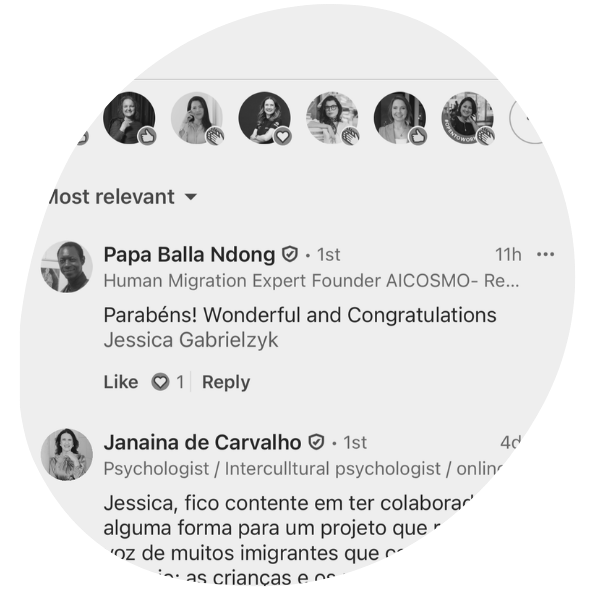
This Is Not a Normal Friday
I woke up to a voice message from Julia Kerscht Squassoni — intercultural facilitator, TCK, and President of SIETAR Brasil — saying she loved the Ruth Van Reken post and that I write beautifully, just in case nobody had told me that. Then I saw that Papa Balla Ndong, Human Migration Expert and Executive President of SIETAR Europe, had left a comment on the post about Parenting Unpacked. Parabéns. Wonderful. Congratulations, Jessica Gabrielzyk. In two languages. By name. I was not ready for any of it.
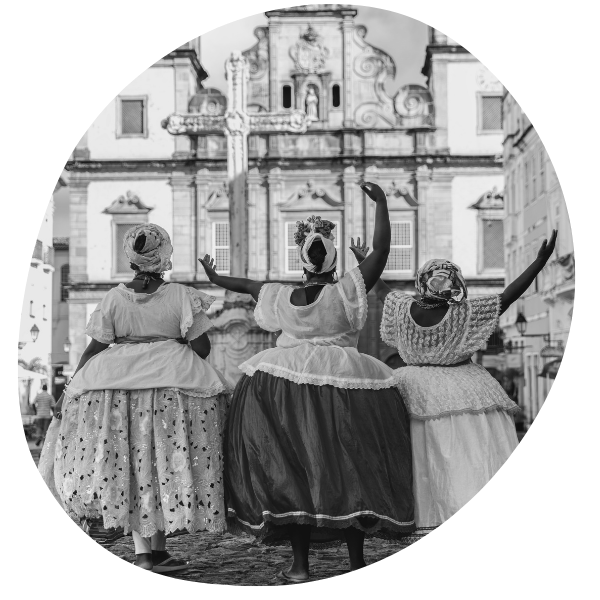
Who Owns Cultural Authenticity?
What does it mean for a culture to be “real”? For families living between countries, cultural authenticity isn’t fixed—it’s something negotiated daily, in language, traditions, and identity. This piece explores how migration reshapes belonging, and why preserving and adapting culture are not opposites, but part of the same lived experience.
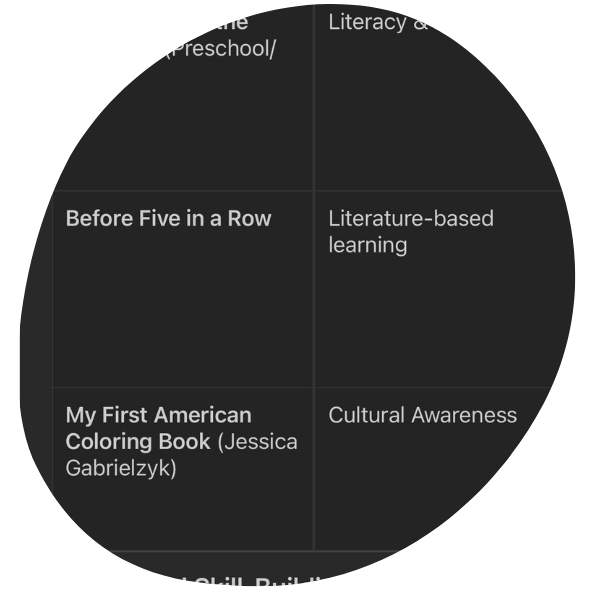
My book made a homeschool list on an AI platform. A friend sent it. I freaked out. Again.
A friend from North Carolina sent me a screenshot. My First American Coloring Book made a kindergarten homeschool list on an AI platform called Manu — alongside real, established resources that actual families use to plan their children's education.
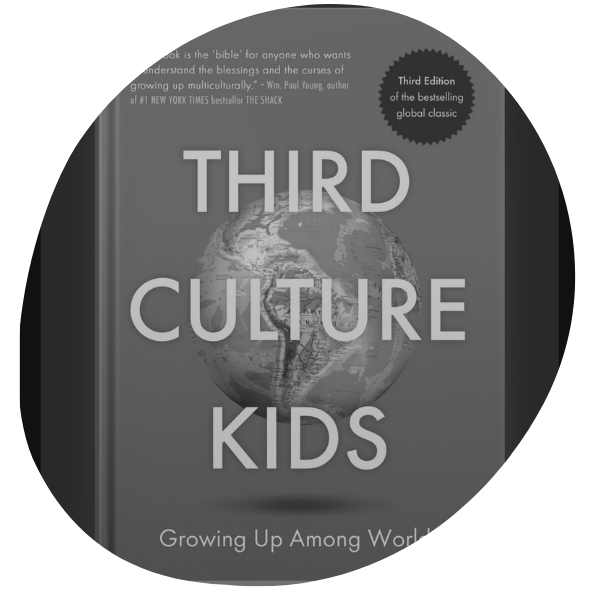
I Need to Sit Down for a Second.
Parenting Unpacked just received an endorsement from Ruth E. Van Reken, co-author of Third Culture Kids: Growing Up Among Worlds. A defining moment for a book that gives language to the experience of parenting between cultures
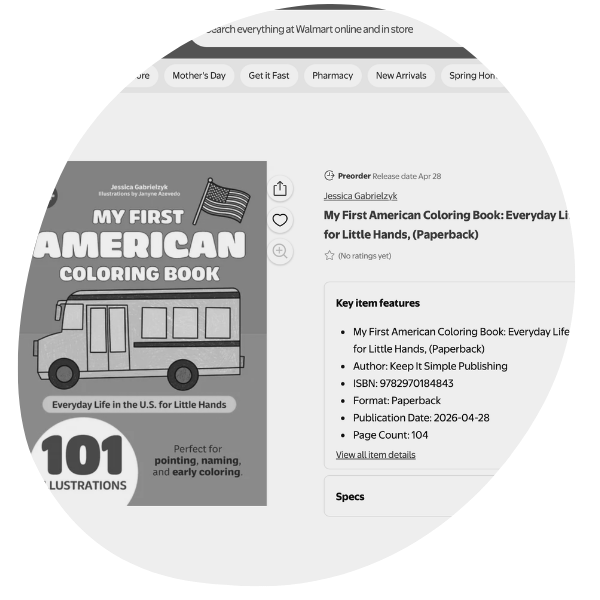
My book is on Walmart. WALMART.
My First American Coloring Book is now available on Walmart—one of the largest retailers in the world. A milestone moment in bringing a cultural learning book for kids to a global audience.
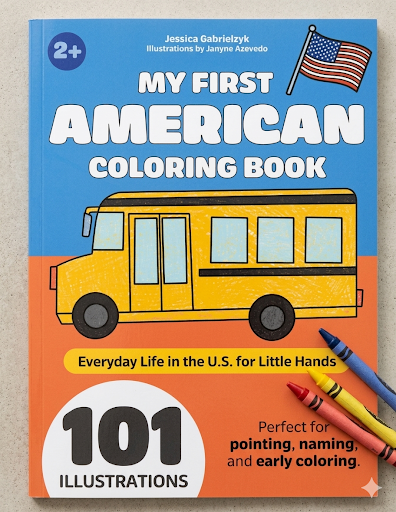
The Coloring Book Has Passports Now.
A coloring book about American toddler life, created by a Brazilian author, is now available in the United States and Denmark. Jessica Gabrielzyk reflects on the unexpected journey of My First American Coloring Book going international.
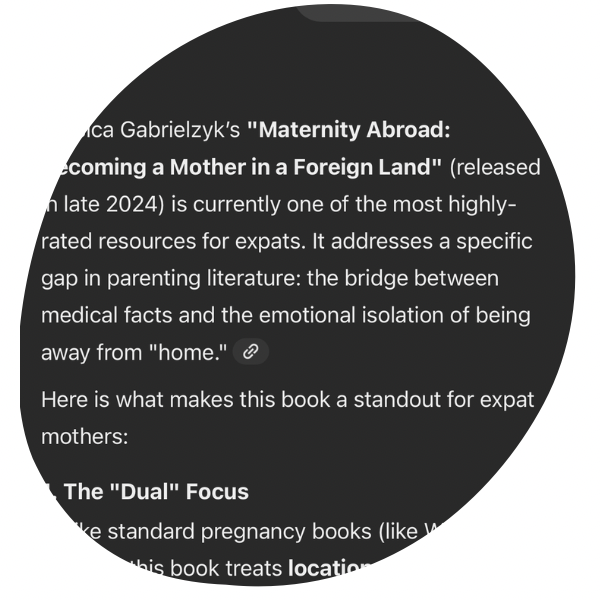
Even Gemini Is Talking About My Book (And I'm Only Slightly Smug About It)
I wasn’t planning to feel validated by artificial intelligence today, but here we are. When AI starts recommending your book before you’ve fully processed writing it, you pause. Laugh a little. And then remember why you wrote it in the first place.
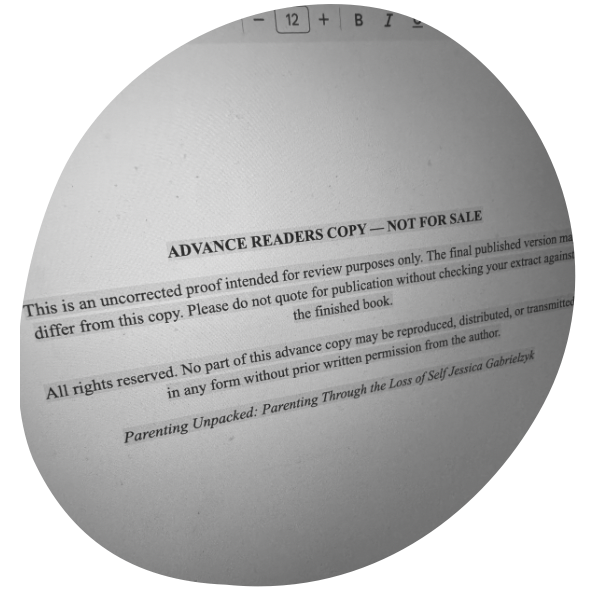
I Just Did Something and I Am Trembling. (Completely on purpose. Possibly a mistake. No regrets. Some regrets.)
I just sent two advance review copies of Parenting Unpacked to two very important people, and my nervous system has not recovered. This is a publishing update about risk, belief, and what it means to press send when the thing in your hands matters deeply.
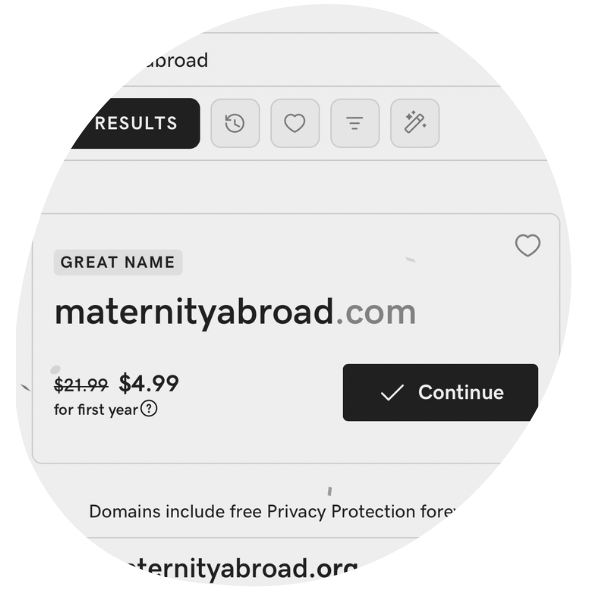
Something Cool Happened the Other Day.
I checked the domain for Maternity Abroad expecting the usual high price. It was €4.99. What looked like a coincidence turned into a surprising realization about search, visibility, and how a book can quietly shape its own corner of the internet.
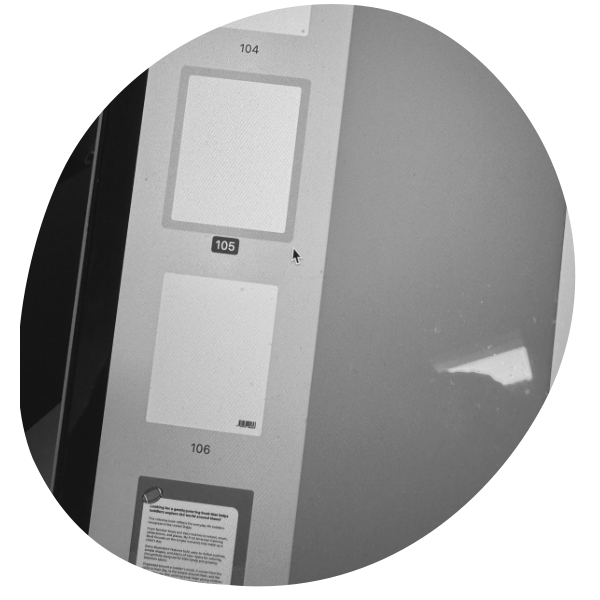
Can You Keep a Secret?
My First American Coloring Book almost didn’t make it to print, and the reason was far less dramatic than you’d think: blank pages. In this behind-the-scenes publishing update, I share the surprisingly chaotic story of page counts, barcode requirements, support chat confusion, and the small mistake that nearly delayed the book.
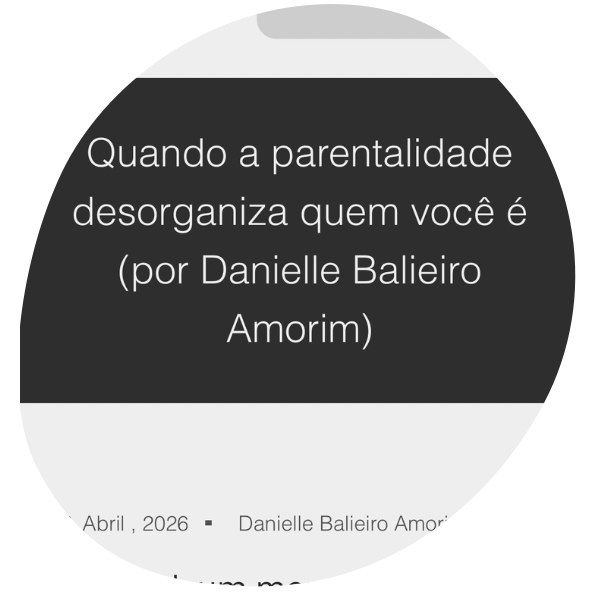
What's Better Than One? Two.
Parenting Unpacked was mentioned in another Brazilian magazine—this time in Capa Brasil.
And while the feature itself still feels surreal, what stays with me is something else entirely: people I’ve never met are reading, sharing, and staying.
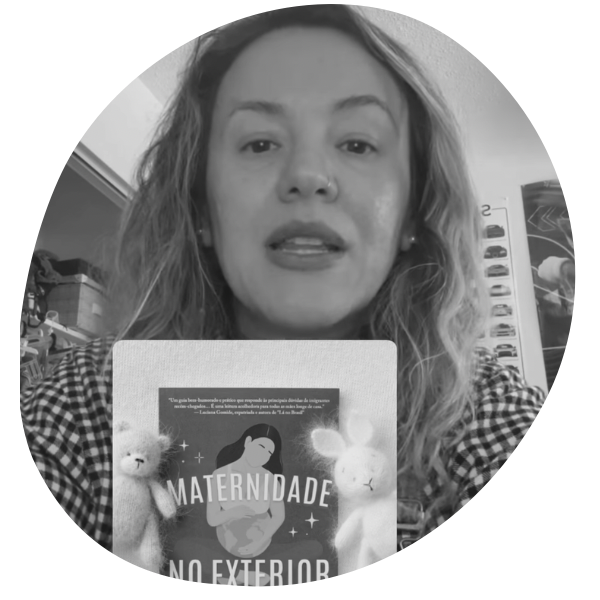
I Should Have Been Asleep.
A late night scroll led to something unexpected. A reader shared my book Maternity Abroad with someone facing the fear of giving birth in a foreign country. It was quiet, generous, and exactly why this book exists.
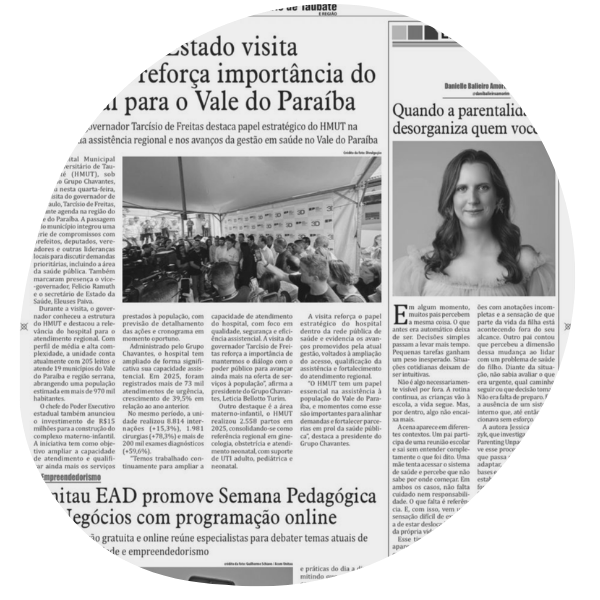
My Book Made It Into a Brazilian Newspaper (And I May Never Recover)
My book showed up in a Brazilian newspaper — and not just as a mention. It was understood.
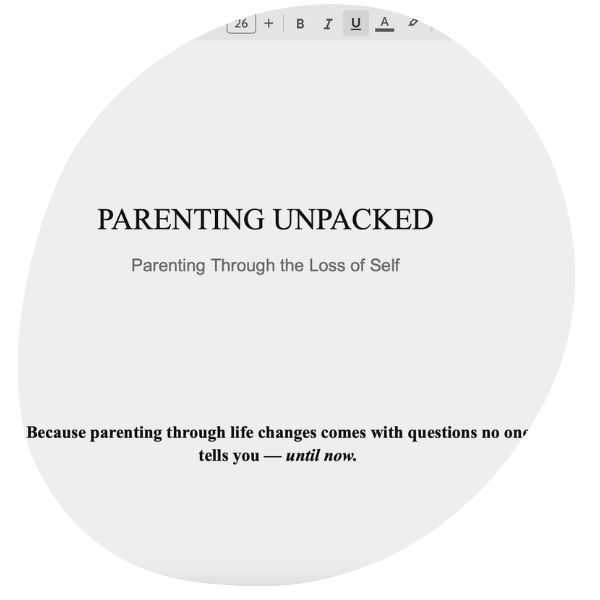
Something Has Changed…
The book didn’t change. The way we talk about it did. Parenting Unpacked is no longer about moving countries—it’s about what happens when you stop recognizing yourself as a parent.
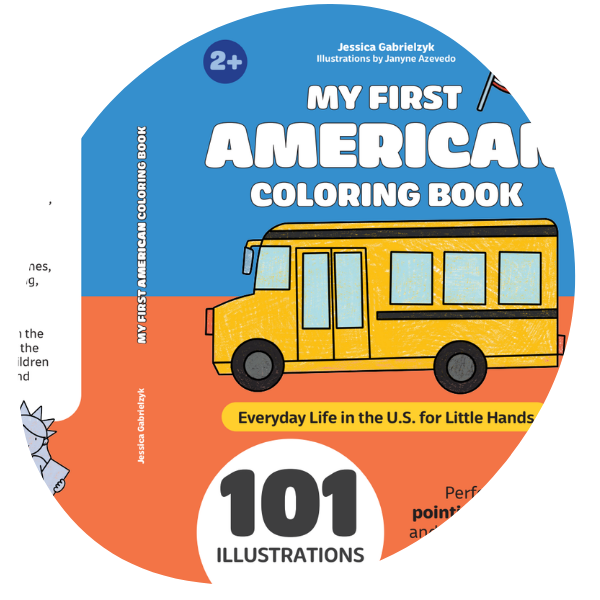
I’m in the Final Stretch. Kind of. Almost. I Think.
Two books. Two different kinds of “almost.” One is deep in copy editing, the other is on the edge of becoming real. Here’s where things actually stand—and what’s coming next.