📚✨ Maternity Abroad Featured at Livraria Tesouro in Crissier, Switzerland
Today was one of those unforgettable moments for any author — seeing my book, Maternity Abroad: Becoming a Mother in a Foreign Land, proudly displayed at the warm and welcoming Livraria Tesouro in Crissier, Switzerland. A cozy literary café where stories come alive over books and coffee.
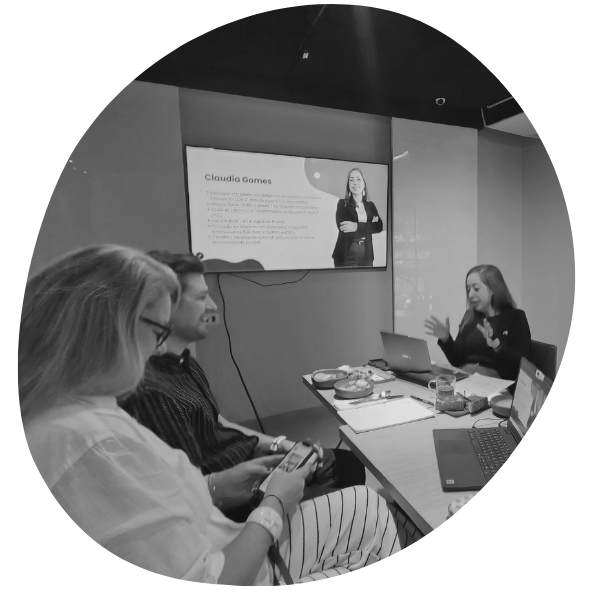
But it wasn’t just a visit — it was a gathering of hearts. Conversations with fellow expat parents turned into reflections about identity, belonging, and the unseen layers of becoming a parent far from home.
✨ Seeing my book among other meaningful reads felt like a full-circle moment. What started as a solitary journey has now touched readers in over 13 countries.
📍 Where to Find It?
You can now buy Maternity Abroad directly from Livraria Tesouro in Crissier — in person or by special order.
💬 Let’s Connect:
Have you read Maternity Abroad? Visited the store? Leave a comment below or tag @livrariatesouro.livros if you stop by!
Someone asked what makes my books different from other writers in the same space. I gave my answer. Then I got curious, went private, opened Gemini, and typed the question in. What came back made me laugh out loud.
I used AI to generate what I had in my head — not as the final product, but as a visual brief so the illustrator knows exactly where the storytelling needs to go before she puts a single line on paper. Self-publishing lesson number one: if you cannot show an artist what is in your head, you will spend weeks describing something that could have been a two-minute conversation with a reference image.
Rhoda Bangerter had a salad that, according to the menu, contained super seeds. I do not know what super seeds are exactly but I can tell you this woman does not need more power. She is already operating at a level that suggests the super seeds are purely recreational.
I lived in Brisbane for almost ten years. I went to Griffith University there. Some of my closest friends in the world are still there. So when My First American Coloring Book: Everyday Life in the U.S. for Little Hands landed on Fishpond, it was not just another retailer announcement. It was the book arriving somewhere that shaped me. Hi Brisbane. I miss you. Also, buy the book.
When you grow up inside a culture, most of it becomes invisible. For someone who grew up in the United States, these things are simply life — unremarkable, assumed. For someone who arrived from somewhere else and had to learn them as an adult, none of them are invisible. That is precisely what makes an outsider the right person to write this book. Not someone for whom American childhood is wallpaper, but someone who remembers, clearly, what needed explaining.
Luciana Gomide opened a call for stories for a Brazilian coletânea — anonymous submissions, no names, no bios, nothing to identify the author. Just the writing. She picked mine. She had no idea she was reading something of mine. And she selected it anyway.
The print test arrived and it felt surreal and good. But I left something out. The font on the cover had a problem — little white spots inside the letters, the kind of thing you cannot unsee once you have seen it. I saw it immediately. So we changed it. New font. Problem gone. That is the whole story and also the entire point of ordering a print test before you release something to the world.
My First American Coloring Book: Everyday Life in the U.S. for Little Hands is now available on Yes24 — South Korea's No.1 internet bookstore with over 20 million users.
Rhoda Bangerter asked me for coffee. Author to author. She reached out and said let's talk. There is something about being seen by a peer — not a reader, not a follower, but another author who read about your work and thought: I want to sit across a table from this person. That lands differently. It feels less like recognition and more like belonging.
I woke up to a voice message from Julia Kerscht Squassoni — intercultural facilitator, TCK, and President of SIETAR Brasil — saying she loved the Ruth Van Reken post and that I write beautifully, just in case nobody had told me that. Then I saw that Papa Balla Ndong, Human Migration Expert and Executive President of SIETAR Europe, had left a comment on the post about Parenting Unpacked. Parabéns. Wonderful. Congratulations, Jessica Gabrielzyk. In two languages. By name. I was not ready for any of it.
What does it mean for a culture to be “real”? For families living between countries, cultural authenticity isn’t fixed—it’s something negotiated daily, in language, traditions, and identity. This piece explores how migration reshapes belonging, and why preserving and adapting culture are not opposites, but part of the same lived experience.
A friend from North Carolina sent me a screenshot. My First American Coloring Book made a kindergarten homeschool list on an AI platform called Manu — alongside real, established resources that actual families use to plan their children's education.
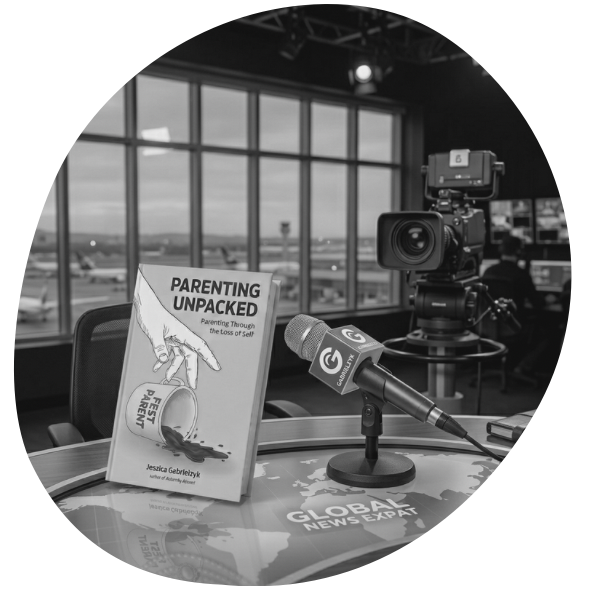
Parenting Unpacked just received an endorsement from Ruth E. Van Reken, co-author of Third Culture Kids: Growing Up Among Worlds. A defining moment for a book that gives language to the experience of parenting between cultures
My First American Coloring Book is now available on Walmart—one of the largest retailers in the world. A milestone moment in bringing a cultural learning book for kids to a global audience.
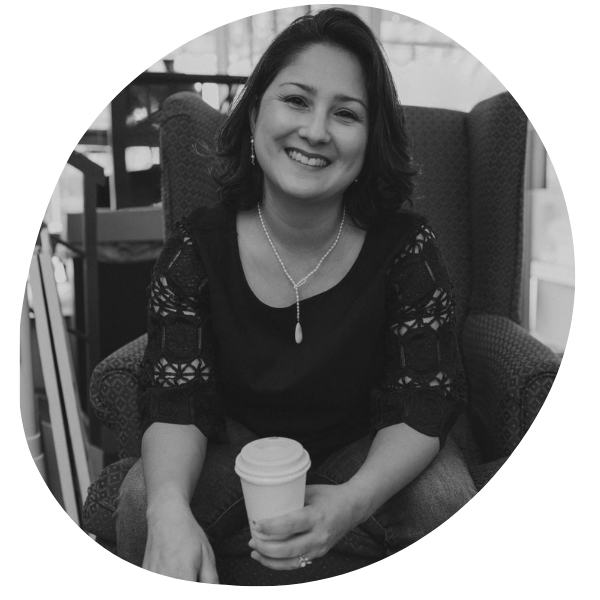
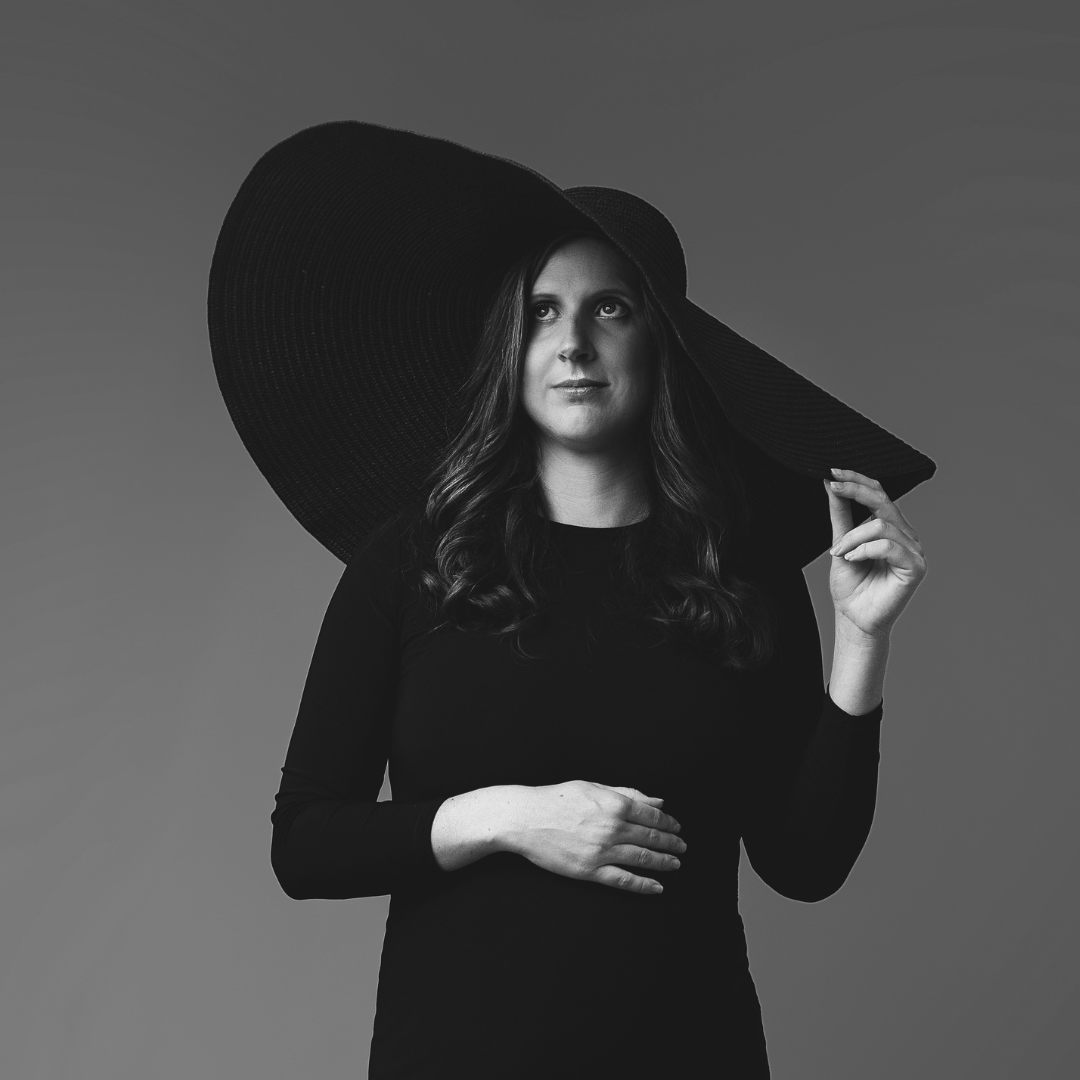
Jessica Gabrielzyk is a Brazilian writer living in Switzerland. She moved there with her husband and daughter, who was three months old at the time and had strong opinions about the whole thing even then.
She writes about change.
The visible kind and the kind that happens inside a person, while everything on the outside looks fine.
Her first book, Maternity Abroad, explored what it means to become a mother far from the system you trusted. It has reached readers in more than fifteen countries across five continents. Parenting Unpacked, her second book, follows the experience of parenting through major life disruption, whether that's an international move, a career loss, a new baby, or a life that simply stops responding the way it used to. My First American Coloring Book was created to help toddlers engage with daily life in the United States through play and familiar imagery.
She is a member of SIETAR, the Society for Intercultural Education, Training and Research, and the International Academy of Brazilian Literature.
She writes for the parent who is still inside it, getting through the day, and wondering somewhere underneath all of it who they are becoming.
When she is not writing, she is walking forty minutes uphill with a stroller, telling herself the exercise is the point.
Two nights in a row I woke up at 2am. My brain just started going through everything I had done and everything I had not done, trying to find the thing I missed.