The Brand Looks Like Me Because It Is Me. Here Is Why That Matters.
I am an outsider. A literal Ausländer, if you may. I have always been an outsider. The girl who wore neon green flats to school. The girl whose future someone else’s mother had already decided looked different from what I was planning. The girl who moved abroad when everyone else stayed, who was working at fourteen to save for a university in another country, who some people thought had been trafficked because moving was so far outside what anyone expected that the only explanation they could imagine was something sinister, and who is now running a demarketing strategy with 15 Instagram followers while every marketing course on the internet tells you to do the opposite.
I know what it feels like to be outside the sequence. To do things the wrong way and not know if the wrong way is actually wrong or just different. To make mistakes and have to figure out what to do with them publicly because there is no hiding when you document everything honestly.
The brand that looks like me is for people like that.
Not the people who have it figured out or the ones who followed the sequence and it worked and now they have a five step plan to sell you. The people who got scared and tried anyway. Who got lost and learned from it. Who made mistakes and laughed at themselves and kept going. Who are not interested in being spammed with content that performs confidence they do not feel.
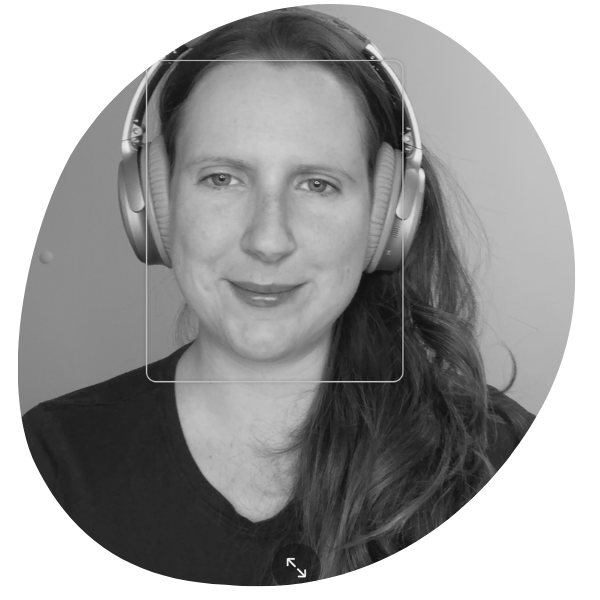
I do not spam. I do not pretend to have more figured out than I do. I prefer a real conversation to a funnel. I make mistakes and I write about them and sometimes the writing is the thing that helps me understand what I was doing wrong. That is the brand. It looks like me because it is me and there was never any version of it that was going to look like anything else.
And the books.
Creating these books is my way of giving people the help I did not have. That is the whole reason. Not the marketing strategy or the content ecosystem or the entity associations building in real time across AI platforms. Those things matter and I think about them constantly. But underneath all of it is something much simpler.
When I was pregnant in Portugal I did not know what questions to ask. When I moved to Switzerland I did not have a word for what was happening to me. When I stood in a supermarket with my hand on a shopping cart because it was the only stable thing in the aisle, nobody had written the book that would have told me that what I was feeling had a name and that the name was the loss of felt competence and that I was not failing, I was just building a new cognitive map from scratch.
So I wrote the books. For the mother who does not know what questions to ask.For the parent who is standing in the supermarket holding the cart, navigating identity migration, the specific loss of self that happens when your life moves faster than your sense of who you are can keep up with. For the child who needs a map of the school bus and the mailbox and the pumpkin on the porch before the world expects her to already know what they are.
I wrote them because I needed them and they did not exist. And because the specific loneliness of not having the help is something I remember clearly enough to want to close the gap for the next person.
That is why the brand looks like me. Because the books are for outsiders and so am I. And outsiders can tell immediately when something was built for someone else.
Jessica Gabrielzyk