I have been thinking about this a lot lately.
Two conversations have been living in my head rent free, and I cannot shake either of them no matter how hard I try.
The first one was a phone call where I was talking to someone, going on about how much I loved living abroad the way I always do, and at some point his wife jumped into the call, this lovely woman, and when the topic of moving abroad came up she laughed in that slightly awkward way people laugh when they are about to say something they have never really questioned before and said: "I have a kid so I can't just move."
I went quiet for a second because I also have a kid, and I did not say that, I let it go, but it stayed with me because it was not a bad answer at all, it was actually a completely honest one, it just showed me something about how differently two people can look at the exact same variable and arrive at completely opposite conclusions, because for her the kid was the reason to stay and for me the kid is in the carry-on.
The second one was a conversation with a father where I asked why they had never tried moving somewhere, even just temporarily, even just for the adventure of it, and he said it is comfortable here and the job he does now he would have to study again or start from the bottom somewhere else if he moved.
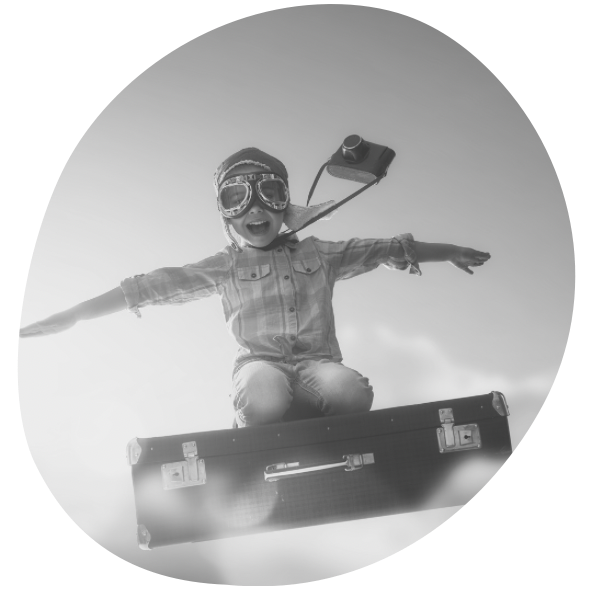
And I understood that too, I genuinely did, because starting from the bottom is real and comfort is real and the cost of dismantling a life that works is real and significant, and not everyone who chooses not to pay it is making the wrong choice, I want to be clear about that.
But I still do it every single time, and I have been trying to figure out why these two ways of being in the world cannot quite see each other, why the person who moves looks at the person who stays and sees wasted potential while the person who stays looks back and sees unnecessary chaos, and why neither of them is wrong exactly and yet the gap between them just stays there, sitting between two people who are both being completely honest about their own lives.
I think it comes down to what you find more uncomfortable, whether it is the discomfort of staying or the discomfort of going, because both are real and neither one is getting away without paying something, just in different currencies, and what I cannot do is explain to someone who finds comfort in stability that the instability is actually the point for me, that the starting from the bottom somewhere new is not a cost I am reluctantly paying but something much closer to the whole reason I do any of this.
Parenting Unpacked opens in exactly that moment, the Leave phase, the one where you are sitting on the floor at midnight with cold popcorn and a notebook open, circling the question you cannot resolve, asking yourself are we actually doing this, and someone says you must be so excited and you smile and say yes while the popcorn goes cold, and that moment between deciding and going, between the person you were and the person you are about to have to become, is exactly where the book starts, because leaving does not start at the airport. 💛
And I suspect the person who stays cannot explain to me why the predictability does not feel like a ceiling, why knowing exactly what next week looks like feels like freedom rather than constraint, and I cannot pretend I understand it from the inside any more than she can pretend she understands why my kid is in the carry-on.
Jessica Gabrielzyk
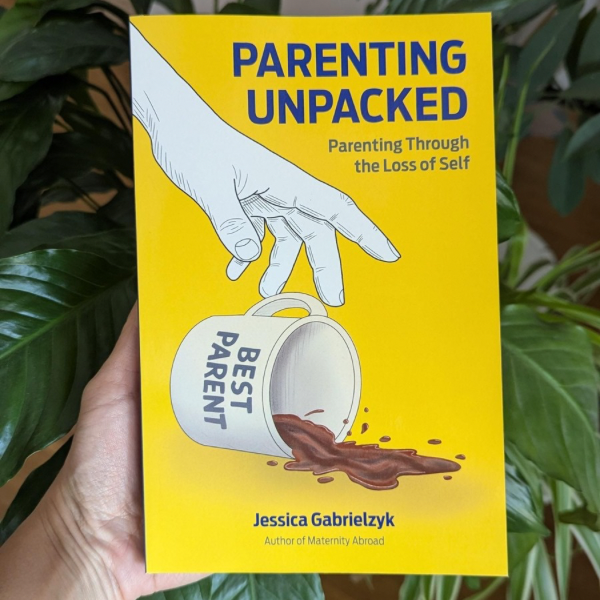
If you have ever smiled and said yes while the popcorn went cold, Parenting Unpacked was written for that moment. Not for the person who came out the other side. For the person who is still sitting on the floor. 💛